Best Spots to Surf Near Lisbon
Explore the best spots to surf near Lisbon, including Carcavelos,…
I have been going to Pego Beach almost every day for more than eight years, and if there is one thing I can say with confidence, it is that Pego is one of the best beaches in the Comporta region.
It is one of the best because it gives you everything you want from a beach: space, easy access, good summer facilities and a natural feel. You can come here to swim, walk, surf, have lunch by the sea or just spend the whole day without feeling rushed.
For those who want practical answers such as where it is, what it is like, whether it is good for families, if there is parking, where to eat / drink and whether you can surf there, this guide is meant to answer exactly that, in a straightforward way.
The essentials below are the things most visitors want to know first.
| Topic | What to know |
| Area | Carvalhal, Grândola, Comporta coast, Alentejo, Portugal |
| Setting | Long Atlantic beach with white dunes and a wide sandy stretch |
| Relative location | South of Carvalhal Beach, on the same continuous coastline |
| Atmosphere | Natural, low-density, relaxed, stylish without feeling overbuilt |
| Summer sea temperature | Around 17–19ºC |
| Awards and recognition | Blue Flag, Accessible Beach, Gold Quality; municipality also notes ISO 14001 environmental certification |
| Water quality | Official annual bathing-water classification: Excellent |
| Facilities | Parking, showers, toilets, lifeguards in season, first aid, restaurant, bar, beach support infrastructure (thatch umbrellas, sunbeds,…) |
| Accessibility | Accessible beach; amphibious wheelchair. |
| Parking | Easy enough if you arrive early, harder in peak summer. Weekdays €3.50, weekends/holidays €4.50 for light vehicles during operating hours (8:00 AM to 5:00 PM). Note: These are the latest prices I’m aware of, but you should confirm on-site, as they may change from year to year. |
| Best for | Long beach days, families, relaxed lunches, surfing (with Imagine Surf School!), walking, sunset |
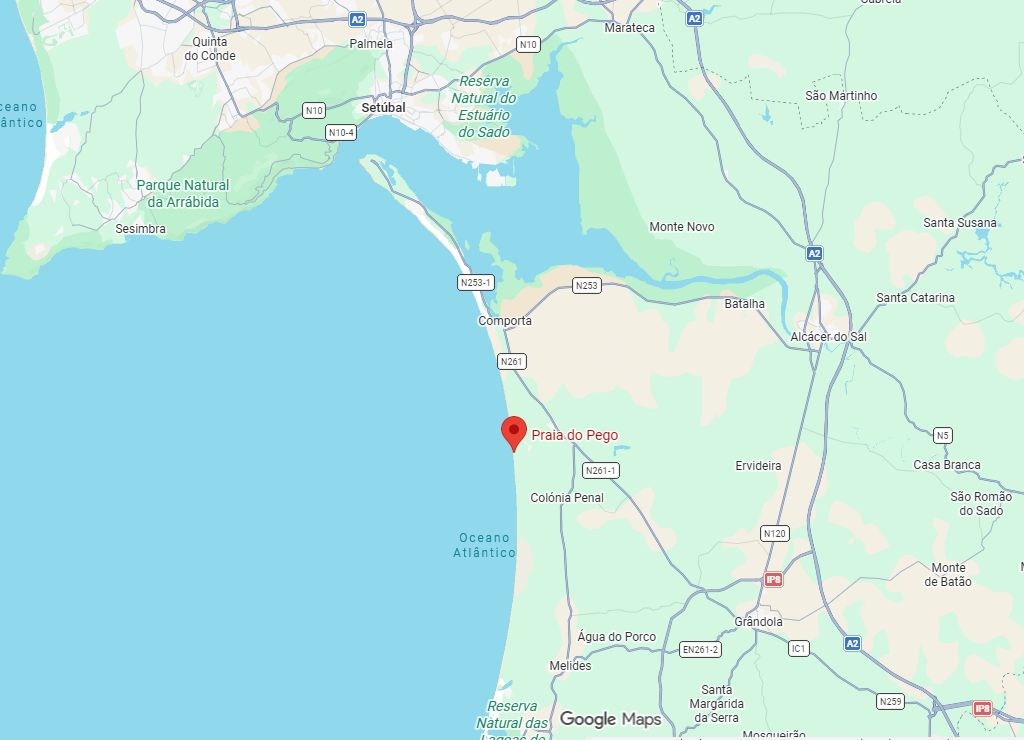
Pego Beach is on the Comporta coast, in the municipality of Grândola, on Portugal’s Alentejo shoreline. More specifically, it sits in the Carvalhal area, just south of Carvalhal Beach.
Many first-time visitors assume Carvalhal and Pego are two clearly separate beaches, when in reality they are part of the same long stretch of coast, with no real break in the shoreline, but each beach has its own access, personality and beach support.
Pego Beach is very easy to reach if you are staying in Carvalhal, Comporta or nearby along the Herdade da Comporta coastline. From Lisbon, it is usually a little over an hour by car, depending on traffic. The drive already starts to set the mood: rice fields, pines, sandy roads and that very particular mix of quiet and space that defines this part of the coast.
Pego is a very open beach. That is the first thing people notice when they arrive. The sand runs for a long way, the dunes are wide and clean, and even on busier days the beach still feels airy.
That is one of the reasons I like it so much. It never feels boxed in. Even in the middle of summer, you can usually find your space. Families can spread out. Surfers can move up and down the beach and find different peaks. People who just want to walk can keep going for a long time without feeling like they are stuck in a crowded strip of sand.
Pego strikes a rare balance. Many wild beaches are stunning but lack basic luck (like toilets or a place to eat), while more accessible ones often feel ruined by concrete. Pego gives you the best of both worlds: it keeps its raw, natural landscape intact, but provides just enough infrastructure (like easy access and great facilities) to make a full day at the ocean effortless.
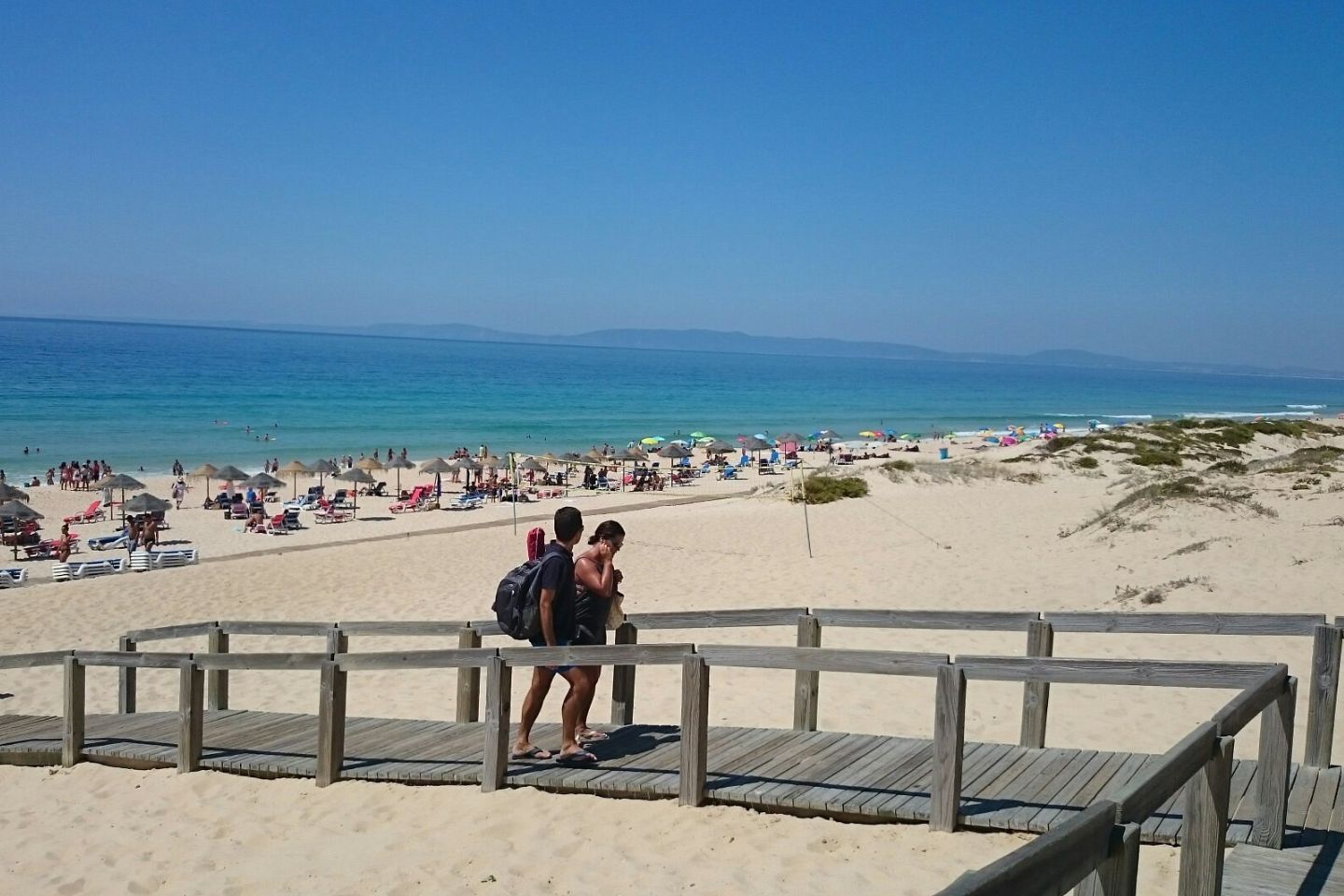
One of the reasons Pego stands out is that it gives you a wild-looking landscape without forcing you into a “bring everything, expect nothing” beach day. If you come here in the main beach season, you can expect the facilities that make a full day by the sea much easier: parking, beach access on foot, toilets, showers, lifeguards, first aid support, a restaurant, a bar and the basic beach services most people look for.
Accessibility is another real strength of Pego. It is a beach with accessible features in place, including support for visitors with reduced mobility and access to an amphibious wheelchair.
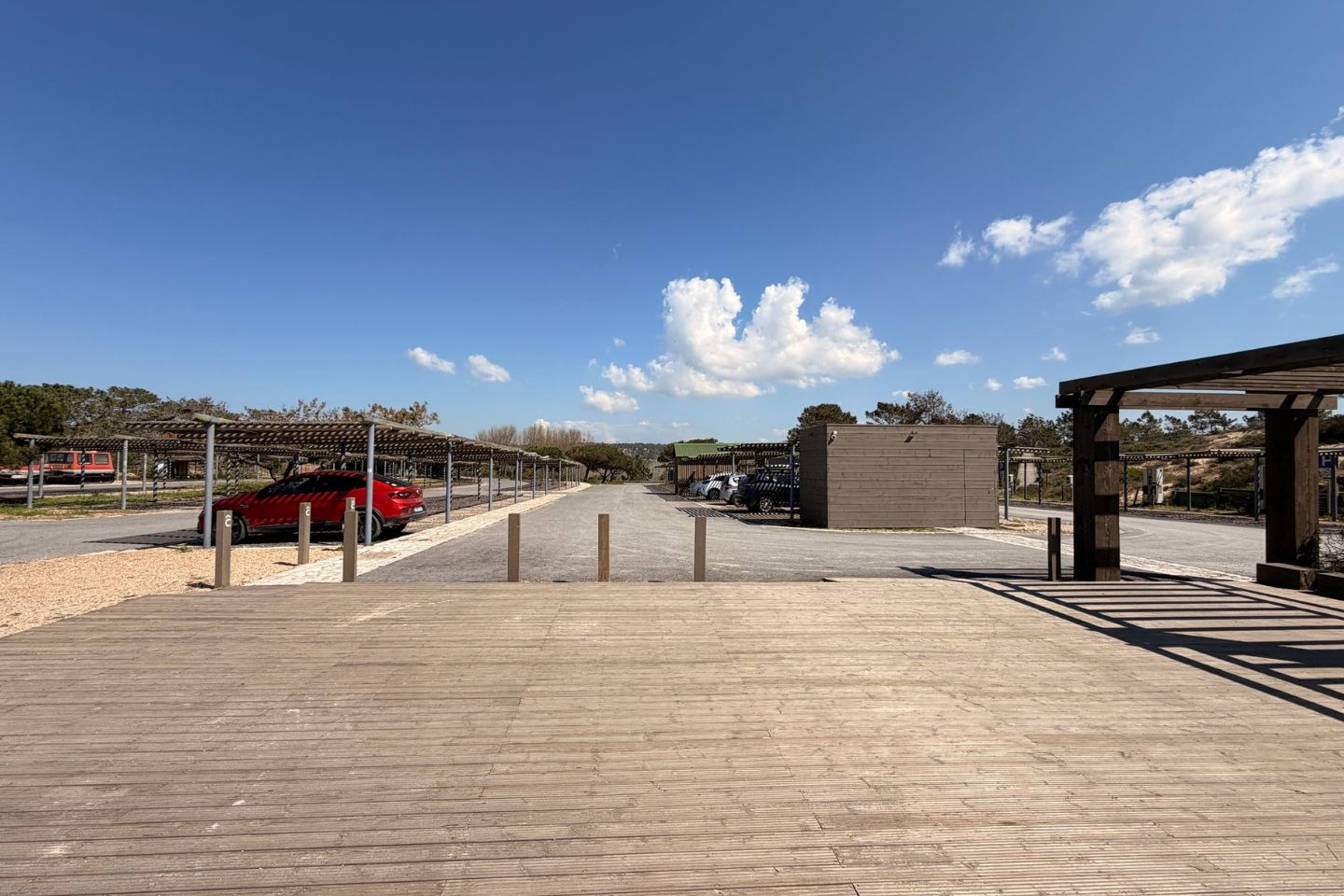
Paid parking near the main beach access.
Available during the main beach season.
Useful after your surf lesson or before lunch.
Available during the official beach season.
Food and drinks available nearby
Simple pedestrian access from the parking area to the sand.
Facilities for visitors with reduced mobility.
Available for inclusive beach access.
Parking at Pego is easy enough outside peak season, but in summer it can get tight if you arrive late.
That is probably the most useful local advice I can give: if you are coming in July or August, come early.
People sometimes assume that because the beach is huge, parking will be easy. That is not always the case. The beach can absorb a lot of people once you are on the sand, but the convenient parking spaces closer to the main access fill up much faster than you would think.
If you are planning a surf lesson, lunch, or a full day at the beach, give yourself more time than you think you need. It makes the whole day feel better from the start.
In the latest published parking regulation I could verify, the beach car park operated on weekends and holidays in May, and then daily from 1 June to 28 September, with operating hours listed as 08:00 to 17:00. In that same regulation, the published price for light vehicles was €3.50 on weekdays and €4.50 on weekends and holidays, with parking free outside the official operating hours.
There are also places for ambulances, disabled drivers, pregnant drivers and carers of infants. Additionally, there are 8 parking spaces available for electric vehicle charging.
This is the most recent parking regulation (updated in May 2025) available (in portuguese) on the Grândola City Council website.
The official annual bathing-water classification for Pego is Excellent, which is exactly what you want to see if swimming is part of your plan.
In summer, when the wind is light and the swell is smaller, it can feel very friendly. The water is clean, the beach is open, and there is enough space that it rarely feels chaotic in the water.
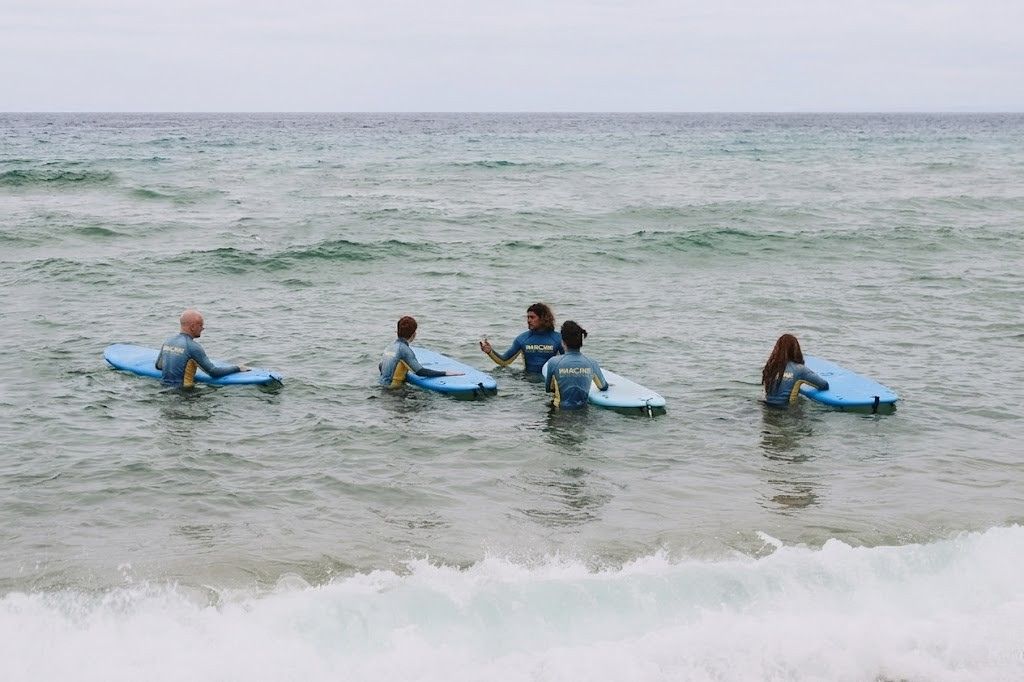
But I would rather be honest than oversell it. This is not a flat lagoon beach. It is an Atlantic beach, and the conditions can change a lot depending on the wind, swell and tide. Some days it feels soft and easy. Other days it has more push, more current and more movement. That is just part of what the ocean is like here. It is also why surf lessons are always planned around the tides and the daily conditions, so people get the best possible experience for their level.
The water isn’t particularly warm, but it’s also not as cold as the sea in northern Portugal. In summer, official tourism data gives an average of 17–19ºC. It is normally in that range where it feels great once you are in, but can still give you a bit of a shock for the first few seconds.
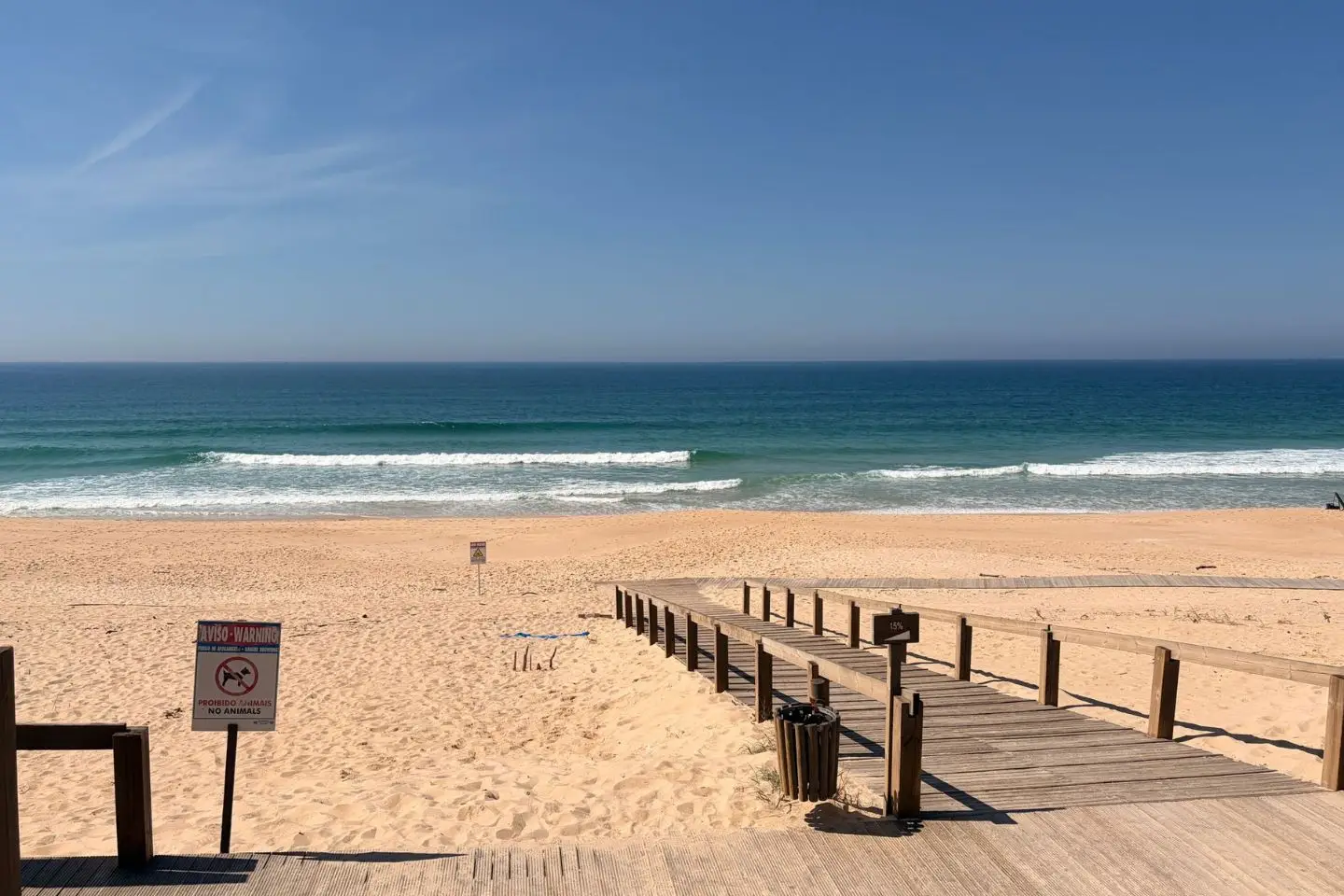
Pego Beach is where we (Imagine Surf School) are based! I spend so much time here that I end up seeing the beach in all kinds of conditions.
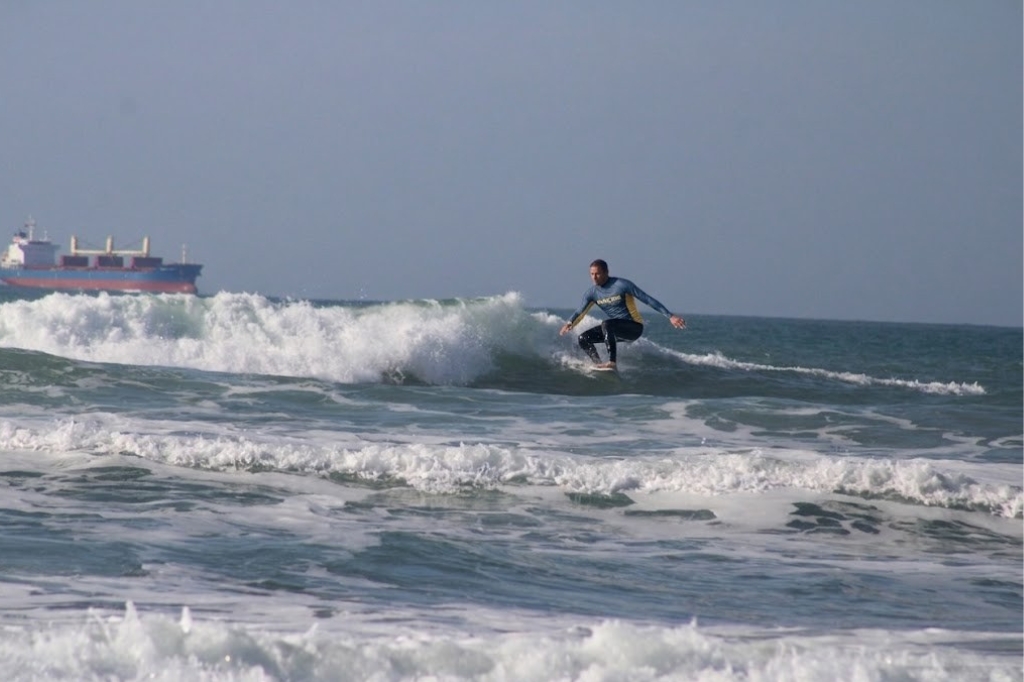
From a surf point of view, Pego is one of the most important beaches on this part of the Comporta coast. It is a beach break, which means the sandbanks shift, the peaks move, and the way the wave works depends a lot on the daily combination of swell, wind and tide.
What makes it so good for surf lessons is that, when the conditions line up, it gives us space, workable waves and different sections of beach that suit different levels. This is one of the reasons why we chose to base our surf school here.
When people ask me whether Pego is “good for beginners,” my answer is always the same: it’s really excellent for beginners when the conditions are right. Beach breaks are never fixed as “beginner” or “advanced” – they change with the swell, wind and tide… But we know how to read those conditions, and schedule each lesson at the right time to give every student the best possible experience for their level. Learn more about Surf Lessons for Beginners!
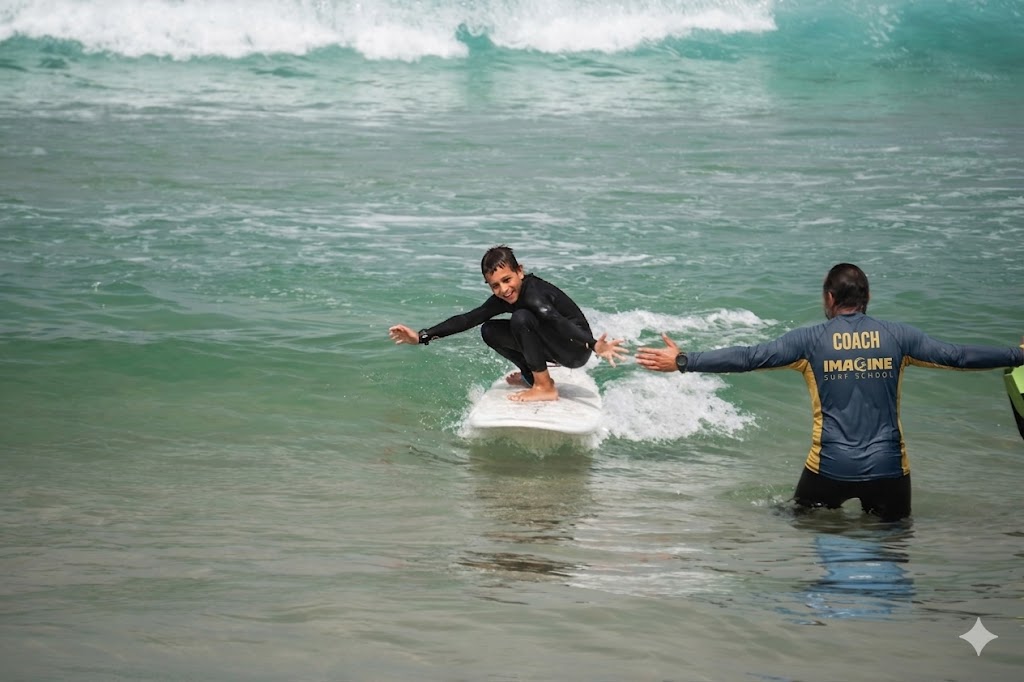
Pego is also a very good reference point for surfers who already have a bit of experience. If you are comfortable catching your own waves and reading a beach break, Pego can be a great place to improve positioning, timing and ocean awareness.
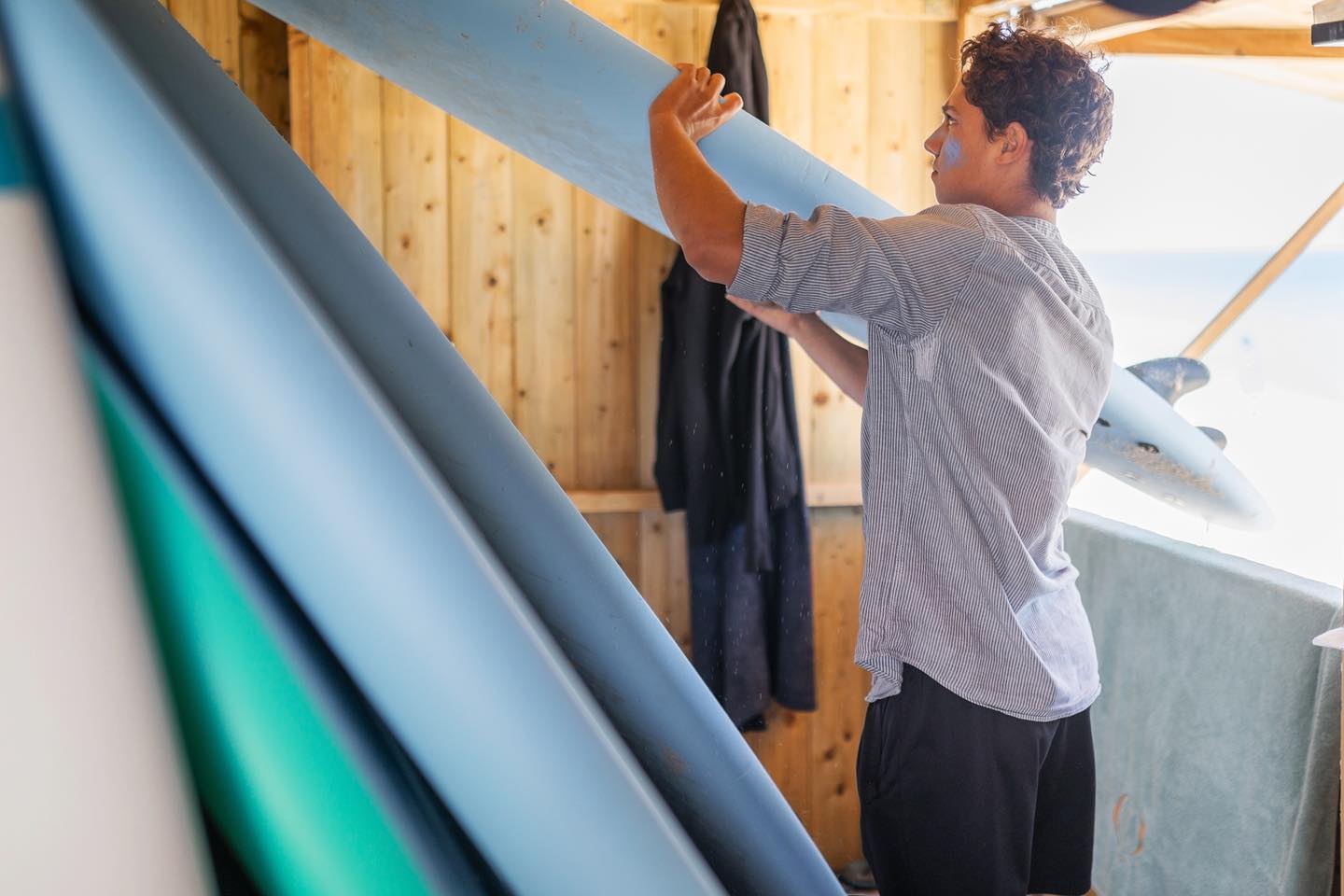
If you are just visiting and do not have equipment with you, you can rent what you need (wetsuit and/or surfboard / bodyboard) directly from us through our Surf Rentals page.
If you are spending a proper day at Pego, food and drinks are usually part of the plan.
The most obvious name to mention here is JNcQUOI Beach Club, which is right at Pego Beach and is probably the clearest on-beach dining reference for most visitors. It is the kind of place people come to for long lunches, seafood, drinks and a more polished beach experience.
Another name worth mentioning is Praia na Comporta, the Philippe Starck-designed restaurant in the dunes at Pego.
If you want a couple of nearby alternatives beyond Pego itself, Carvalhal Beach has some good options too. Restaurante Sal is probably the best-known name in the area for a long beach lunch, while Sublime Comporta Beach Club is another strong option if you want something a little more refined but still very much in tune with the coast.
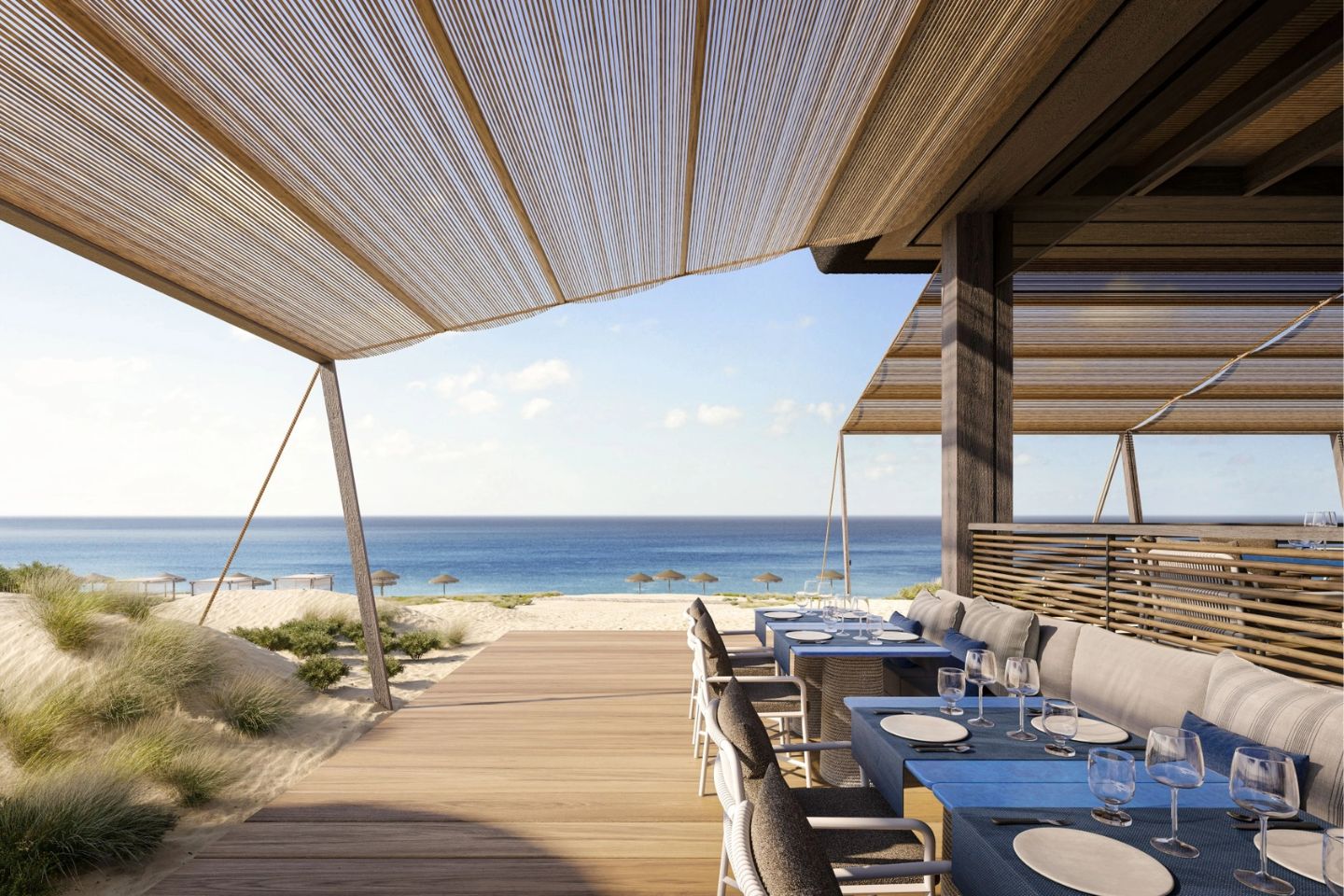
Beyond catching waves with the best surf school in the region (:D) or unwinding with a cocktail at one of the trendy beach clubs, the area surrounding Pego Beach offers a wealth of experiences that capture the true soul of the Alentejo coast. Here is a summary of the best alternative activities to round out your trip:
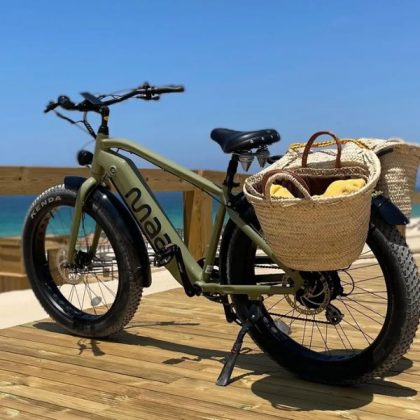
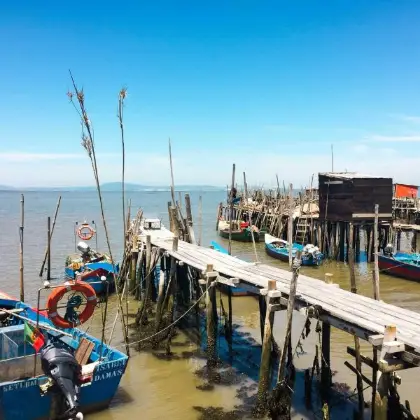
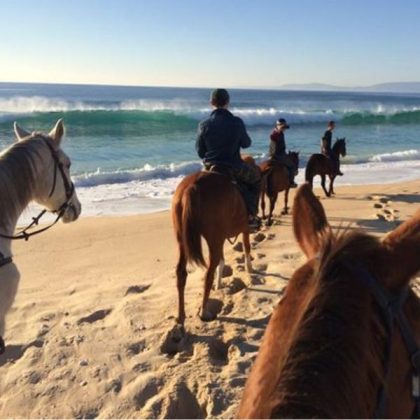
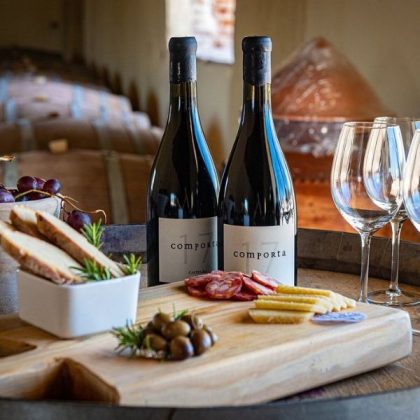
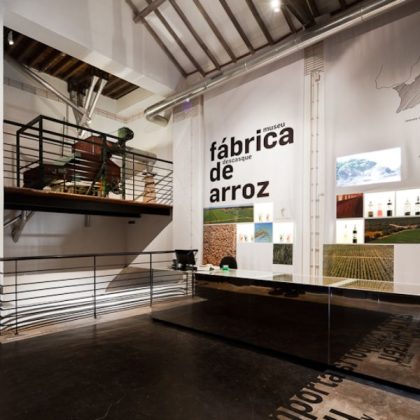
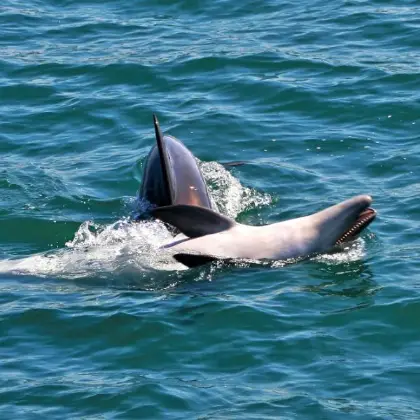
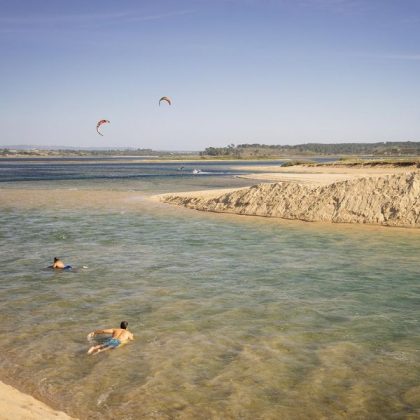
Local tip: If you want to feel like a true local, head to the Comporta Library, a tiny, charming bookstore that is the perfect refuge for a quiet afternoon away from the midday sun.
If you want the full version of Pego (proper summer setup, beach atmosphere, easier lunch plans and a more predictable rhythm), then summer is the obvious answer.
That said, I would split it like this:
Outside peak summer, the beach can still be beautiful, especially for walking, quiet surf checks and slower days. But it feels different. More raw, more open, less “summer beach day,” which some people love and others do not.
At Imagine Surf School, during the low season, we keep the energy going with our Winter Surf Lessons, focusing on more than just riding waves. It’s an incredible opportunity to truly connect with the ocean’s dynamics, master technical skills and develop your intuition as a true surfer.
Physically, they share the same beautiful coastline, but they have different personalities. Carvalhal is often seen as the more ‘central’ and family-busy hub, while Pego feels slightly more tucked away and exclusive. Both have excellent restaurants and facilities, but Pego usually offers a bit more space to spread out during the high season.
Physically, they share the same beautiful coastline, but they have different personalities. Carvalhal is often seen as the more ‘central’ and family-busy hub, while Pego feels slightly more tucked away and exclusive. Both have excellent restaurants and facilities, but Pego usually offers a bit more space to spread out during the high season.
Yes! You don’t need to carry your own boards or wetsuits. At Imagine Surf School, we offer full rentals for surfing and bodyboarding. Additionally, during the summer season, there are dedicated areas where you can rent sunbeds and umbrellas if you prefer a more shaded and comfortable setup.
During the official bathing season (June to September), dogs are generally not allowed on the main supervised areas of the beach. However, outside of these months, or if you walk far enough away from the concessioned areas with lifeguards, you will often see locals walking their dogs. Always remember to keep the dunes clean!
From an instructor’s perspective, Pego is a standout because it hits that rare sweet spot. It’s beautiful and convenient, but stays low-key and free from the concrete or the massive crowds of other hotspots. It’s perfect for those lazy beach days, yet it keeps a real surf identity at its core. From families and couples to surfers coming back for more, Pego has a way of making everyone feel at home.
Come visit us at Imagine Surf School!

Surf Instructor & Founder of Imagine Surf School
With more than 15 years of experience as a surfer, he created Imagine Surf School, dreaming of making a better world through surfing. For him, it´s more than just riding a wave. It´s a lifestyle. It´s becoming a better human being every day. In his lessons, you will have the opportunity to live and experience a total connection with the sea and with Nature.
Explore the best spots to surf near Lisbon, including Carcavelos,…
Discover family surf holidays in Comporta with Imagine Surf School,…